Indoor comfort at home depends on more than just temperature. It is a combination of airflow, insulation, heating, cooling, and system reliability. When these elements work together, a home feels stable in every season. Poor management leads to uneven temperatures, high energy bills, and discomfort. The goal of optimization is to create balance. This means improving systems that regulate air and heat while maintaining efficiency. Modern homes now rely on mechanical support as much as natural ventilation. Understanding these systems is the first step toward better indoor living.
Indoor Climate Balance And Energy Efficiency
Indoor climate balance focuses on maintaining steady temperature and air quality throughout the home. It reduces extreme heat or cold spots. Proper insulation and controlled ventilation are key factors. When air circulates evenly, rooms feel more comfortable without overworking systems. Energy efficiency improves when appliances do not run at maximum load continuously. Small adjustments in airflow direction and sealing gaps can make a noticeable difference. A well-balanced indoor environment also reduces strain on heating and cooling systems, improving long-term performance.
Air Conditioning Repair For Consistent Cooling And Comfort
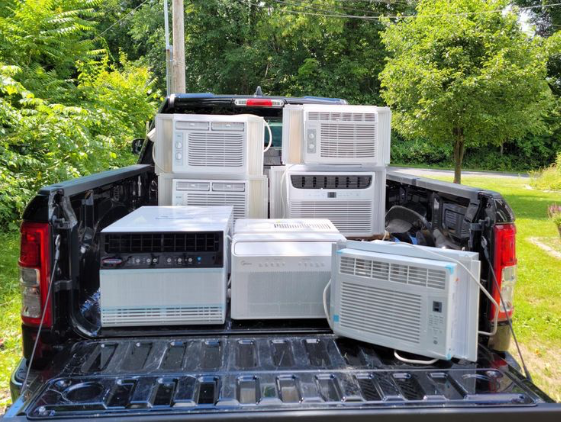
Air conditioning systems play a central role in summer comfort. Over time, filters clog, gas levels drop, and mechanical parts wear out. Air conditioning repair is the process of diagnosing and fixing these issues to restore cooling performance. It ensures the system runs smoothly without consuming excess electricity. Timely maintenance prevents sudden breakdowns during peak heat. Clean coils and functional compressors help maintain consistent airflow across rooms. Regular inspection also extends system lifespan. Proper maintenance decisions often prevent larger repair costs later, especially during high-demand seasons. Efficient cooling starts with reliable air conditioning repair.
Smart Airflow And Maintenance Practices
Airflow management improves how conditioned air moves through the home. Ceiling fans, vents, and open pathways help distribute air evenly. Dust buildup in vents can restrict movement, so regular cleaning is essential. Furniture placement also affects circulation. Blocking vents reduces efficiency and increases energy consumption. Simple maintenance practices, such as replacing filters and checking duct leaks, improve system performance. A consistent airflow pattern keeps indoor temperatures stable. This reduces the need for constant thermostat adjustments and supports overall comfort.
Boiler Installation For Reliable Home Heating Systems
Heating becomes essential during colder months, especially in regions with seasonal temperature drops. Boiler installation is the process of setting up a centralized heating system that uses water or steam to distribute heat throughout the home. A properly installed boiler ensures even heating in all rooms. It also improves energy efficiency when matched with the right system size. Safety checks and correct pressure settings are important for long-term reliability. Modern boilers are designed to reduce fuel consumption while maintaining steady warmth. A professional approach ensures fewer breakdowns and better heating control. Efficient winter comfort begins with proper boiler installation.
Humidity Control And Seasonal Adjustments
Humidity affects how warm or cool a space feels. High humidity makes air feel heavier, while low humidity causes dryness. Managing humidity improves overall indoor comfort. Dehumidifiers and humidifiers help maintain balance depending on the season. Seasonal adjustments are also important. Summer requires cooling support, while winter demands moisture retention and heating balance. Monitoring indoor levels helps prevent mold growth and respiratory discomfort.
Conclusion
Indoor comfort optimization is about coordination between systems rather than isolated improvements. Cooling, heating, airflow, and humidity all contribute to the final experience. When each element is maintained properly, the home becomes more stable and energy efficient. Regular system care, smart technology, and timely upgrades play a major role in maintaining comfort.