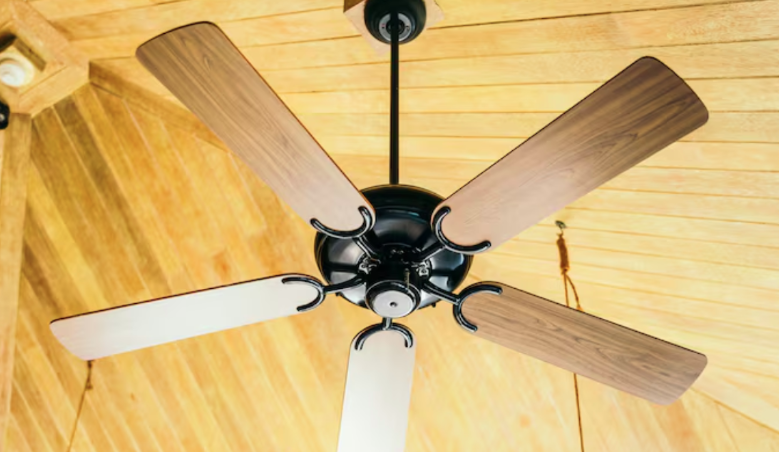
Choosing the right cooling solution for a room with low ceilings requires careful deliberation, particularly when space is at a premium. A flush mount design is specifically engineered to hug the ceiling, providing necessary air circulation without compromising vertical clearance.
However, because these fixtures are mounted directly against the structural surface, they lack the downrod length that typically assists in air distribution.
Before purchasing, it is crucial to analyze several technical and aesthetic variables to ensure your selected flush mount ceiling fans provide both comfort and visual harmony within your living space.
Evaluating Ceiling Height and Clearance Requirements
The most critical factor is the physical dimension of your room. Ideally, any overhead fan should be positioned at least seven feet above the floor to ensure safety and optimal performance.
For rooms with standard eight-foot ceilings, flush mount ceiling fans are the only logical choice to maintain these safety standards while preventing the fixture from feeling overly imposing.
When measuring, account for the thickness of the motor housing and the blade pitch, as these elements occupy the space that would otherwise be used by a downrod.
Motor Efficiency and Operational Noise Levels
The heart of any cooling unit is its motor. When selecting a unit, look for high-quality motors that offer multiple speed settings and whisper-quiet operation.
Because these fixtures sit directly against the ceiling, vibrations can easily transfer into the structural joists, creating unwanted humming or rattling sounds.
Investing in a model with a balanced, high-performance motor not only ensures a peaceful environment but also improves the longevity of the device. Always review the manufacturer’s decibel ratings if you are installing the unit in a bedroom or home office.
Airflow Capacity and Room Dimensions
While compact in design, these units must still possess enough power to move air effectively. Airflow is measured in cubic feet per minute (CFM), and this number should be matched to your room size. A small kitchen or hallway requires significantly less CFM than a large living room.
Ensure that the blade span is proportional to your space; a fan that is too small for a large area will struggle to create a breeze, while one that is too large may overwhelm the visual balance of the room.
Lighting Integration and Lumens
Many modern options come with built-in light kits, which are highly convenient for rooms lacking supplemental ceiling lighting. When evaluating these, consider both the brightness—measured in lumens—and the color temperature of the bulbs.
If the unit serves as your primary light source, choose one that supports dimmable LED bulbs to allow for ambiance control. Ensure the glass or cover material diffuses the light evenly to avoid harsh shadows, keeping the overall aesthetic functional and pleasant.
Material Durability and Blade Design
The material of the blades significantly impacts both maintenance and performance. Wooden blades offer a classic, warm look but may warp over time in high-humidity areas like bathrooms. Conversely, plastic or metal blades are easier to clean and highly resistant to environmental stressors.
Furthermore, consider the blade pitch; a steeper angle generally moves more air but requires a more powerful motor to operate efficiently. Selecting robust materials ensures that your flush mount ceiling fans remain functional and attractive for many years.