In the realm of high-end furniture, the distinction between a sculptural object and a functional tool is often blurred. George Nakashima, a master of the American studio craft movement, believed that furniture should not only be beautiful but also deeply useful in the context of a modern home.
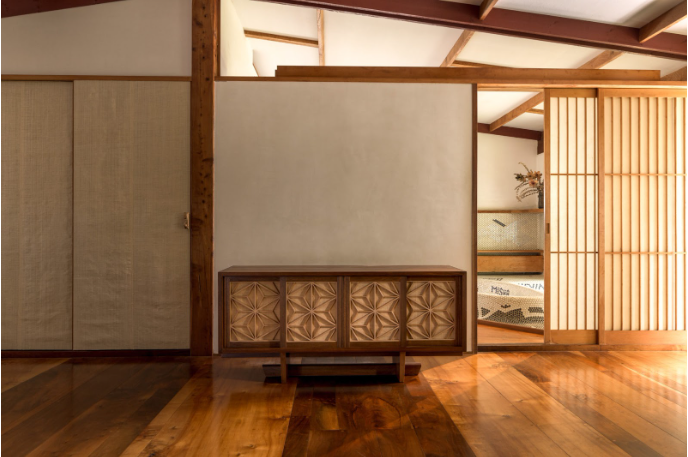
His walnut sideboards are the perfect embodiment of this philosophy. While they are celebrated for their organic edges and rich wood grains, their internal architecture is a masterclass in functional storage design.
Integrating such a piece into an interior provides a sophisticated solution for organization while maintaining an atmosphere of tranquil elegance.
Optimization of Internal Compartmentalization
The internal layout of a Nakashima sideboard is meticulously planned to maximize usable space without compromising the external form. Most units are divided into specific zones designed for different types of storage, from deep cabinets for larger serving platters to shallow drawers for delicate silverware.
When you encounter a george nakashima walnut sideboard for sale, a close inspection of the interior reveals hand-dovetailed drawers that glide with mechanical precision.
This thoughtful compartmentalization ensures that every item has a dedicated place, reducing clutter and improving the efficiency of a high-functioning dining or living area.
Innovative Use of Sliding Pandanus and Wood Doors
One of the most functional aspects of Nakashima’s storage design is the use of sliding doors rather than traditional swinging hinges. This design choice is particularly beneficial for urban living spaces where floor area is at a premium.
Sliding doors, often crafted from woven pandanus cloth or matched walnut panels, allow the user to access the interior without obstructing the walkway.
Finding a George Nakashima walnut sideboard for sale with these original sliding mechanisms highlights how the artist prioritized the user’s interaction with the piece. The doors move silently and effortlessly, providing a seamless transition between concealed storage and open access.
Strategic Proportions for Versatile Placement
The physical dimensions of a walnut sideboard are engineered to fit a variety of functional roles. Typically designed with a low-slung, horizontal profile, these pieces serve as excellent surface areas for buffet-style service or as a pedestal for a curated collection of art.
The height is specifically calculated to remain below the average sightline, which helps maintain an open feel in a room.
For those searching for a George Nakashima walnut sideboard for sale, the versatility of these proportions means the unit can transition from a dining room credenza to a hallway console or a media center, adapting to the changing storage needs of the household over time.
Durability and Structural Load Bearing
Functional storage requires a structure that can support significant weight, such as heavy stoneware, stacks of linens, or a collection of books. Nakashima utilized solid walnut slabs and robust joinery to ensure that his sideboards never sagged or warped under pressure.
The use of through-mortise and tenon joints provides a level of structural integrity that far surpasses modern industrial standards.
When evaluating a George Nakashima walnut sideboard for sale, the thickness of the wood and the strength of the base are key indicators of its ability to serve as a reliable, heavy-duty storage solution for decades to come.